cypresspropertycon63 min read
Hurricane Preparedness Tips for Florida Homeowners
Hurricanes are a reality for many Florida homeowners. With the state being prone to severe weather, understanding how to prepare for a hurricane is crucial. The impact of a hurricane can be devastating, but with the right preparation, you can protect your home and family. This guide will provide you with essential tips to ensure you are ready when the storm hits.
Understanding the Hurricane Season
Hurricane season in Florida runs from June 1 to November 30. During this time, the likelihood of storms increases significantly. Understanding the patterns and behaviors of hurricanes can help you prepare better. Here are some key points to keep in mind:
- Categories of Hurricanes: Hurricanes are categorized from 1 to 5 based on their wind speeds and potential damage. A Category 1 hurricane has winds of 74-95 mph, while a Category 5 can exceed 157 mph.
- Storm Surge: This is often the most dangerous aspect of a hurricane. It can cause flooding in coastal areas, even before the hurricane makes landfall.
- Preparedness Timeline: Start preparing well before the hurricane season begins. Ideally, you should have a plan in place by May.
Creating a Hurricane Preparedness Plan
A well-thought-out hurricane preparedness plan is essential for every Florida homeowner. Here’s how to create one:
Assess Your Risk
Evaluate your home’s vulnerability to hurricanes. Consider factors such as:
- Location: Are you in a flood zone?
- Building Structure: Is your home built to withstand high winds?
- Evacuation Routes: Know the safest routes to evacuate if necessary.
Develop an Emergency Kit
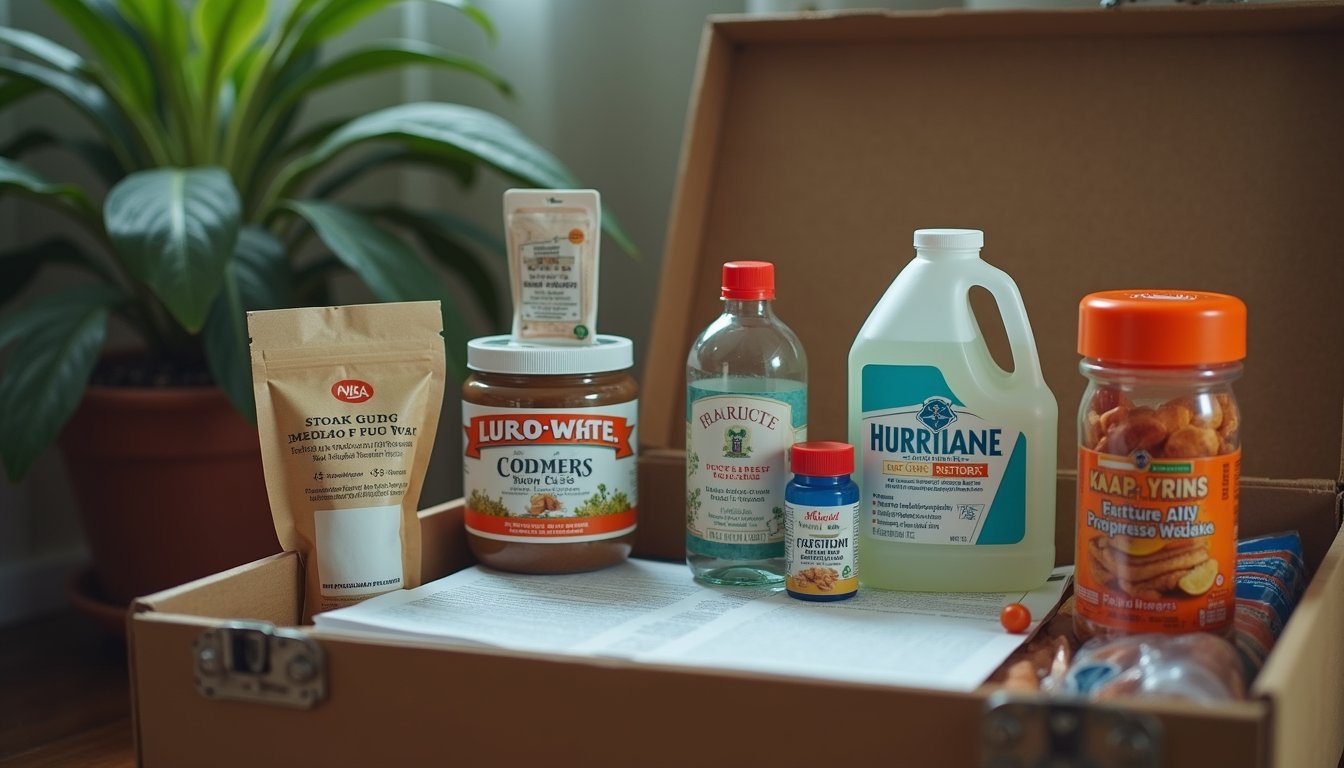
An emergency kit is vital for survival during a hurricane. Here’s what to include:
- Water: At least one gallon per person per day for three days.
- Food: Non-perishable items that can last for at least three days.
- First Aid Supplies: Include bandages, antiseptics, and any necessary medications.
- Flashlights and Batteries: Power outages are common during hurricanes.
- Multi-tool or Swiss Army Knife: Useful for various tasks.
Create a Communication Plan
Ensure that all family members know how to reach each other during an emergency. Designate a meeting place and share contact information.
Securing Your Home
Protecting your home from hurricane damage is crucial. Here are some steps to take:
Install Hurricane Shutters
Hurricane shutters can protect your windows from flying debris. If you don’t have shutters, consider using plywood as a temporary solution.
Reinforce Your Roof
Ensure your roof is secure and can withstand high winds. Check for loose shingles and consider adding straps to secure the roof to the walls.
Clear Your Yard
Remove any items that could become projectiles in high winds. This includes:
- Patio furniture
- Potted plants
- Garden tools
Understanding Insurance and Financial Preparedness
Having the right insurance coverage can make a significant difference after a hurricane. Here’s what to consider:
Review Your Homeowners Insurance
Ensure your policy covers hurricane damage, including wind and flood damage. If you live in a flood zone, you may need separate flood insurance.
Document Your Belongings
Take photos or videos of your home and possessions. This documentation can be invaluable when filing insurance claims.
Staying Informed
During hurricane season, staying informed is crucial. Here are some ways to keep updated:
Follow Local Weather Reports
Listen to local news stations or use weather apps to receive real-time updates on storm developments.
Sign Up for Alerts
Many counties offer emergency alert systems. Sign up to receive notifications about evacuations and other important information.
Preparing for Evacuation
If a hurricane is approaching, you may need to evacuate. Here’s how to prepare:
Know Your Evacuation Routes
Familiarize yourself with the safest routes out of your area. Plan for potential traffic and delays.
Pack an Evacuation Kit
In addition to your emergency kit, pack essentials for evacuation:
- Clothing and personal items
- Important documents (ID, insurance papers)
- Pet supplies if you have pets
Make Arrangements for Pets
Not all shelters accept pets, so plan ahead. Consider pet-friendly hotels or ask friends or family if they can take your pets.
After the Hurricane
Once the storm has passed, it’s essential to assess the situation carefully. Here’s what to do:
Wait for Official All-Clear Signals
Do not return home until authorities have declared it safe.
Inspect Your Property
Check for damage to your home and property. Take photos for insurance claims.
Stay Informed About Recovery Resources
Local governments often provide resources for recovery. Stay updated on available assistance.
Conclusion
Hurricane preparedness is not just about having supplies; it’s about creating a comprehensive plan that includes securing your home, understanding your insurance, and staying informed. By taking these steps, you can protect your family and property from the devastating effects of hurricanes. Remember, preparation is key. Start today to ensure you are ready when the next storm approaches.